
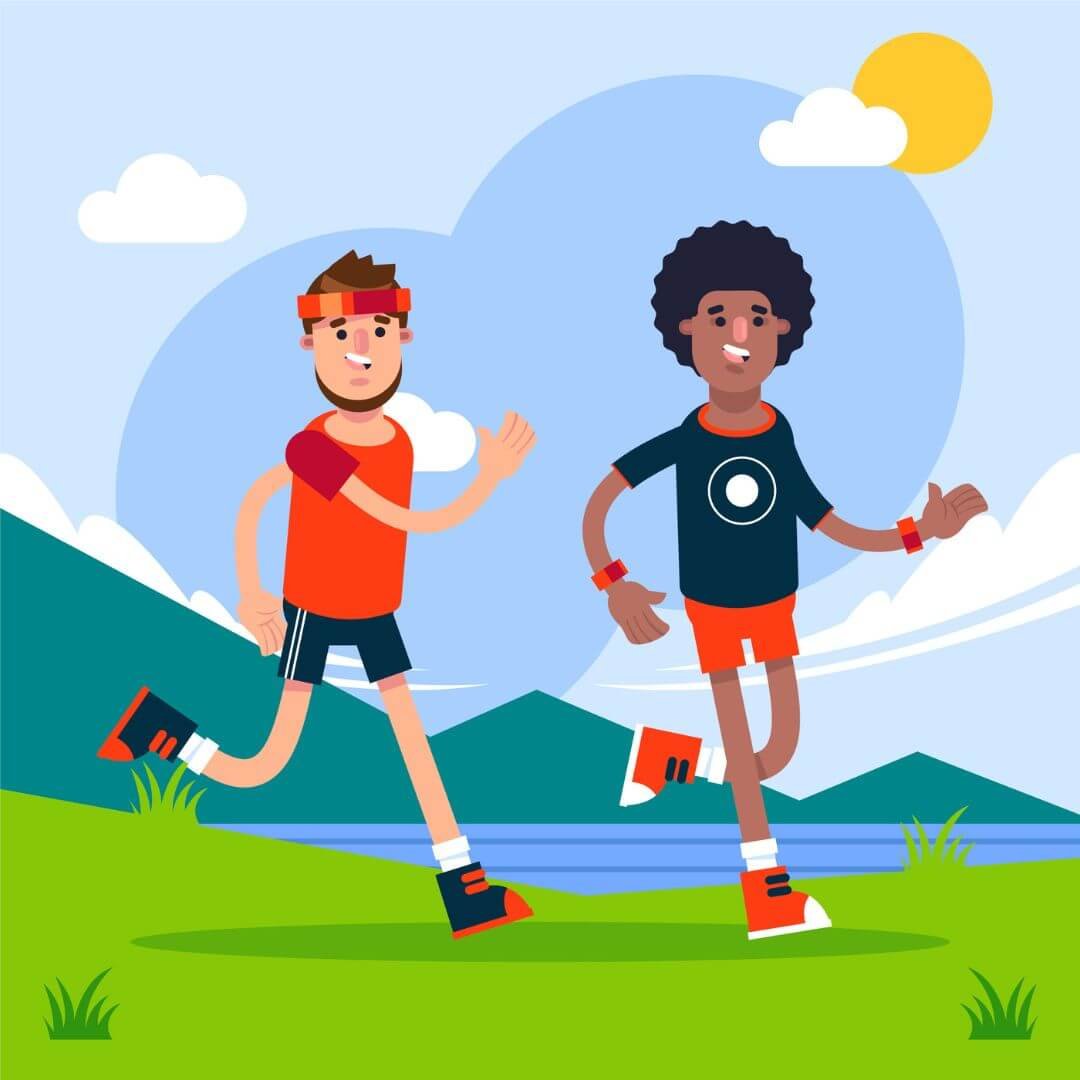
In the fast-evolving world of sports training, there is a noticeable shift towards using advanced technologies to improve performance. Among the many innovations, animation stands out as an incredibly effective tool for enhancing sports training videos. Animated videos are gaining traction for their ability to present complicated techniques and strategies in a digestible, engaging, and visually stimulating format. These types of training videos not only simplify learning but also ensure that athletes, coaches, and teams can understand and master the intricacies of various sports.
In this blog, we’ll explore the essential aspects of using animation in sports training. We’ll cover everything from planning and storyboarding to animation techniques for clarity, incorporating live-action footage, and the tools and equipment you need for successful video production. By the end, you’ll understand how animation can revolutionize the way sports training is delivered, enhancing learning and engagement for athletes.
The Importance of Animation in Sports Training Videos
The world of sports is constantly evolving, and training methods must adapt to match the pace of change. Traditional methods of instruction, such as lectures and demonstrations, often fall short in effectively communicating key concepts. This is where animated videos shine, particularly in the realm of sports training.
Animation simplifies and breaks down complex sports skills and movements into easy-to-understand visual steps. For athletes, animation offers several advantages, such as the ability to visualize movements from multiple perspectives, learn new skills at their own pace, and track their progress more effectively.
Unlike static images or live-action footage, animation allows for exaggerated focus on specific areas of the body, such as arm positioning, foot placement, and body angle, providing a level of detail that would be hard to capture in real-world filming.
Key Benefits of Using Animation for Sports Training
- Clarity and Precision: Animated videos offer precise visuals of sports techniques, highlighting key movements that might otherwise be missed in a live-action video. This level of detail is especially useful when training athletes on complicated manoeuvres such as high-speed dribbles, diving techniques, or complex gymnastics routines.
- Engagement: Unlike traditional training methods that can sometimes feel monotonous, animation adds a level of excitement and engagement. Vibrant colours, dynamic visuals, and the ability to visualize complex techniques in slow motion capture the viewer’s attention and keep them focused on the lesson.
- Repeatability: One of the greatest advantages of animated videos is the ability to revisit and re-watch movements or techniques repeatedly. This is ideal for athletes who need to practice a certain technique until it becomes second nature.
- Cost-Effective: Animation can often be a more cost-effective solution compared to hiring actors or filming live-action content. Once the animation is created, it can be reused without incurring additional production costs.
The Role of Animation in Athlete Development
Sports training often involves repetitive practice, and one of the challenges athletes face is ensuring they consistently perform techniques with perfect form. Animation serves as a visual guide to demonstrate the correct form for various drills and exercises. This helps athletes perfect their technique with every repetition, allowing them to progress faster and more effectively.
Furthermore, animated sports videos are effective in breaking down the biomechanics of a sport. By presenting a movement in a step-by-step animation, athletes can better understand how their bodies should move at every stage, helping them avoid injuries and perform at their peak.
Essentials of Animation in Sports Training
When implementing animation in sports training, certain fundamental principles must be followed to maximize its effectiveness. Here are some of the essentials:
Understanding the Sport’s Core Techniques
Before creating an animation, it’s important to thoroughly understand the sport and the techniques being demonstrated. Every sport has unique demands, and the animation must accurately represent the required movements. Whether it’s a basketball player learning to shoot, a soccer player perfecting their passing technique, or a swimmer working on their stroke technique, animation should be grounded in the technical aspects of the sport.
Target Audience
Knowing the audience is key when designing sports training animations. Are the athletes beginner, intermediate, or advanced? The level of detail and complexity will differ for each group. For example, beginner athletes may need animations that explain basic concepts like footwork or grip, while advanced athletes may require animations that focus on finer details such as body posture or balance.
Engaging Visual Design
An essential part of creating effective animated videos is engaging design. The visuals should not only educate but also captivate the viewer. Bright colours contrasting shades, and fluid animations can help draw the viewer’s attention, ensuring that the learning experience is both educational and enjoyable.
Planning and Storyboarding for Sports Training Animations
Planning is the first crucial step in creating any animation. In the case of sports training videos, it is especially important to plan the content meticulously to ensure the animation is both informative and entertaining. This is where storyboarding becomes essential.
The Importance of a Storyboard
A storyboard serves as the blueprint for your sports animation. It helps to outline the key steps and movements in the animation, ensuring that the instructional content is delivered in a structured, logical, and engaging way. Storyboarding is particularly important in sports because it ensures that each movement or skill is broken down into digestible parts.
For example, in an animation explaining a soccer dribble, the storyboard may outline the following sequence:
- The athlete’s stance and initial position
- The footwork and ball control during the dribble
- The body movements needed to maintain balance and speed
- The moment the athlete uses their non-dominant foot for control
- The transition into a pass or shot
By mapping out each movement and segment of the animation beforehand, the creation process becomes more streamlined, and the final video is much more effective.
Planning the Content for Maximum Engagement
In addition to focusing on technical aspects, it’s important to plan for engagement. Storyboards should include ideas on how to use visuals such as colour, movement, and graphics to enhance the learning process. For instance, consider how an animation of a basketball shot can emphasize key moments, like the player’s release, bicolour or highlights or slow-motion effects to ensure the viewer’s attention is focused on the most important aspects.
Animation Techniques for Clarity in Sports Training
One of the main advantages of using animated videos for sports training is their ability to break down complex movements into clear, easily understandable visuals. There are several animation techniques that can be used to ensure that every move and action is conveyed with clarity.
1. Slow Motion
Slow-motion is a classic animation technique that’s extremely valuable when teaching fast-paced sports. For example, an animation showing a football quarterback’s throwing technicolour motioning allows the viewer to carefully observe the motion of the arms, the hand position, and the ball release at a much slower pace. This highlights the key aspects of the throw, making it easier for athletes to replicate the correct form.
2. Highlighting Key Movements
Another effective technique is the use of visual highlights such as arrows or color-coded markers. By emphasizing particular movements or body parts (like the placement of feet, hands, or the ball), the viewer can easily follow along with the instructions. For instance, in a swimming animation, the movement of the swimmer’s arms and legs can be highlighted using arrows or different colours to make patterns more distinct.
3. Zooming In on Details
When teaching sports techniques, especially in high-skill sports such as gymnastics or tennis, it’s crucial to zoom in on important details. Animation allows you to focus on specific parts of the athlete’s body, such as the grip on the racquet or the rotation of the wrist, so that these small but crucial elements can be analyzed in depth.
4. Layering with Diagrams
Adding diagrams on top of the animation can further clarify complex movements. For example, when demonstrating a volleyball serve, you could overlay an arc showing the path of the ball to help the athlete visualize where the ball should be placed. This added layer of information reinforces the technique being shown.
5. Providing Contextual Examples
Context is key for athletes to understand the real-world application of a movement. By animating a technique in the context of a game scenario, athletes can better appreciate when and how to use the skill. For example, showing a basketball player performing a layup while animating the defenders’ positioning helps athletes understand how to use the technique in a game situation.
Incorporating Live-Action Footage into Animated Sports Videos
While animation on its own is incredibly effective, blending live-action footage with animated sequences can make training videos even more impactful. This combination offers a balance between dynamic, realistic action and the clarity that only animation can provide.
Benefits of Combining Animation and Live-Action
- Real-World Context: Live-action footage shows athletes performing techniques in real time, giving the viewer a concrete example of how the skills they’re learning are applied in an actual game or training situation.
- Increased Engagement: Mixing live-action footage with animation adds variety, keeping the viewer’s attention. This combination appeals to different learning styles – some athletes may respond better to visual demonstrations, while others may prefer the theoretical breakdown provided by animation.
How to Seamlessly Combine the Two
When combining animation and live-action footage, timing is crucial. The key is to transition between animated segments and live footage smoothly, ensuring that the educational flow is not disrupted. For example, you could start with a live-action shot of an athlete performing a technique, then transition into animation to highlight key movements in slow motion or emphasize specific elements, such as the body posture or footwork.
Equipment and Software for Creating Animated Sports Training Videos
Creating high-quality sports training animations requires the right tools and equipment. The combination of the right hardware and software will enable you to produce professional-grade videos that maximize the effectiveness of your sports training materials.
Software for Animation
Here are some of the top animation software options available for creating sports training videos:
- Adobe After Effects: Ideal for creating high-quality motion graphics, visual effects, and 2D animation. After Effects allows animators to work with complex techniques like slow motion, camera angles, and detailed visual enhancements.
- Blender: A powerful, open-source 3D animation tool. Blender allows creators to develop stunning 3D animations with high levels of realism, making it an excellent choice for sports training videos that require lifelike movements and environments.
- Toon Boom: A well-known animation software that supports both 2D and 3D animations. It’s widely used in the animation industry for creating high-quality, professional animations and is suitable for creating engaging sports training videos.
- Vyond: For beginners or those who need to create simple but effective animations, Vyond offers an easy-to-use platform with pre-made templates and sports-related assets. It’s perfect for coaches who need quick yet professional-looking training videos.
Hardware for Animation
For live-action footage, using high-quality cameras such as DSLR or mirrorless cameras will ensure that your footage is crisp and clear. Additionally, for stabilizing shots, you might want to invest in a gimbal or tripod to prevent shakiness.
Editing software like Adobe Premiere Pro or Final Cut Pro will help you seamlessly combine live-action footage with animation, providing all the necessary tools for cutting, colour correction, and video effects.
Conclusion
Animation has transformed sports training by enhancing learning, engagement, and retention. By using animated videos to break down complex movements and techniques, athletes can gain a deeper understanding of their sport and improve their performance. Whether you’re using animation to demonstrate basic drills or advancemanoeuvressrs, it can make learning easier and more accessible.
Furthermore, by incorporating live-action footage and using the right equipment and software, trainers can create videos that are not only educational but also entertaining. The combination of these tools offers a dynamic and effective approach to sports training that will resonate with athletes of all ages and skill levels.