
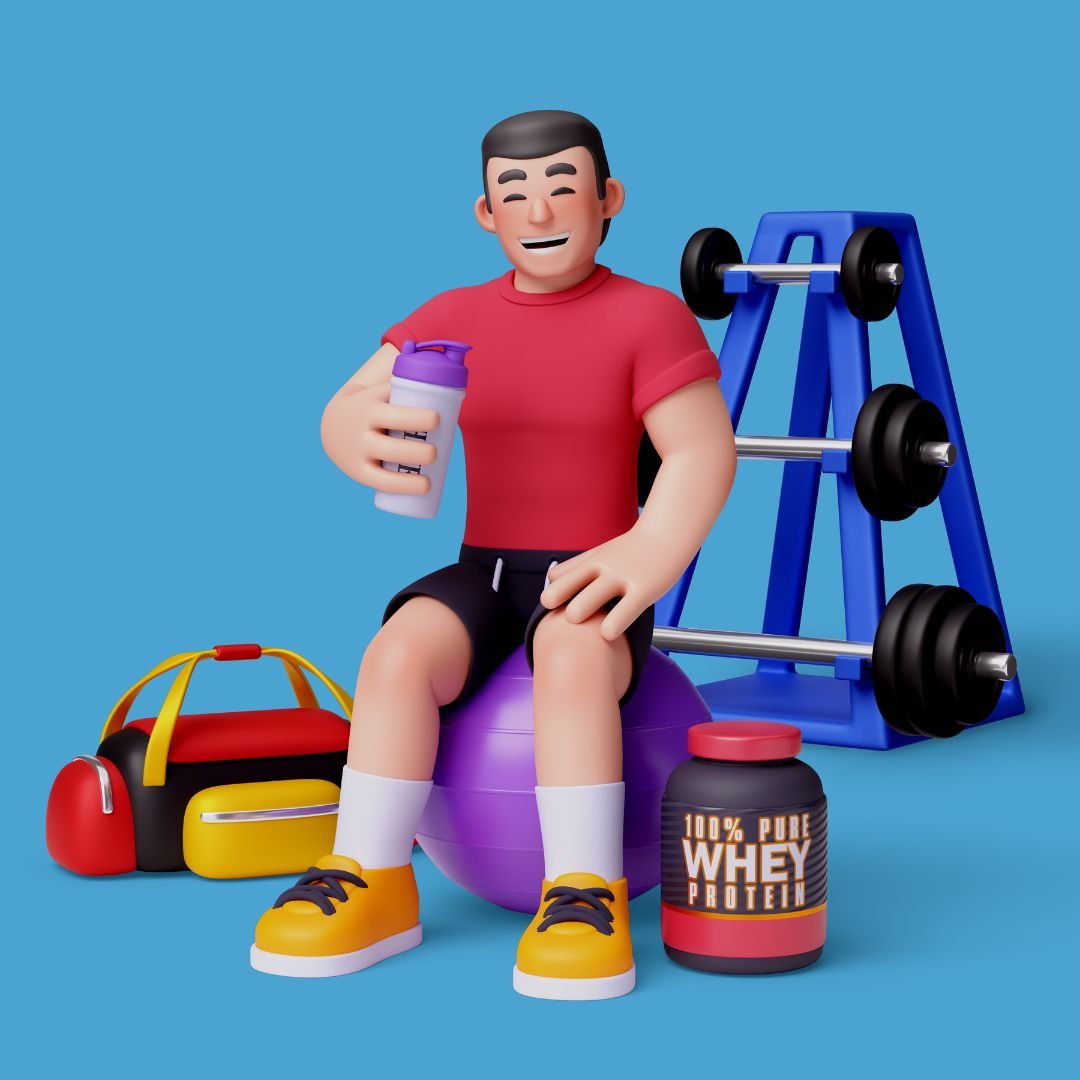
In the ever-evolving world of sports technology, the need to stay ahead of the competition is paramount. Sports-tech companies are constantly innovating, creating cutting-edge products that promise to revolutionize the way we train, perform, and engage with sports. However, the challenge lies in effectively communicating the value and benefits of these products to potential customers.
One of the most powerful ways to achieve this is through demo videos—a marketing tool that allows companies to showcase their products in a compelling, engaging, and informative manner. However, when combined with 3D animation, demo videos take on an entirely new dimension. These animated visuals have the power to make even the most technical aspects of sports-tech products understandable, exciting, and memorable.
In this blog, we will explore the transformative role of 3D animation in the creation of sports-tech product videos, and how these innovative visuals can elevate demo videos to new heights of customer engagement, retention, and conversion.
The Importance of Demo Videos in Sports-Tech Marketing
When it comes to sports-tech, product features often involve complex technologies and sophisticated functionalities that can be difficult to convey through static images or basic video formats. For consumers to fully appreciate what a product can do for them, they need to see it in action. This is where demo videos become an essential tool for marketing.
Demo videos serve as an interactive medium that provides a clear and concise explanation of how a product works, how it benefits the user, and why it stands out from the competition. For example, if a company is launching a new fitness tracker that measures heart rate, step count, calories burned, and sleep patterns, explaining the functionality of these features through a standard product description is often insufficient. It’s not enough to simply list the product’s features on a website; consumers want to see how it works, how it fits into their lifestyle, and what sets it apart from other similar products.
In the sports-tech industry, demo videos help potential customers visualize how a product will integrate into their everyday routines. Whether it’s a wearable device, smart equipment, or an app, a well-crafted demo video allows the viewer to see the product in action, giving them an immersive experience that builds trust and boosts confidence in their purchasing decision.
However, demo videos can be even more powerful when paired with 3D animation. 3D animation brings products to life in a way that traditional video simply cannot match. By incorporating animation, companies can offer a more dynamic, visually captivating, and engaging experience, enabling them to better showcase their products’ features and unique selling points.
Why 3D Animation is a Game Changer for Sports-Tech Product Videos
3D animation has been an indispensable tool in the world of marketing for years. It enables the creation of stunning visuals that can depict complex ideas and processes simply and engagingly. In the realm of sports-tech product videos, 3D animation adds an extra layer of depth that traditional filming methods simply cannot achieve.
1. Bringing Complex Concepts to Life
Many sports-tech products involve intricate technology that might be difficult for consumers to understand. Wearable devices, fitness trackers, and high-tech equipment are often powered by sophisticated sensors and algorithms that track various metrics. In these cases, 3D animation can help break down these complex concepts, making it easier for viewers to comprehend how the product works.
For example, when showcasing a fitness tracker that monitors heart rate variability, 3D animation can visualize how the sensors detect changes in blood flow, translate that data into meaningful metrics, and display them on the device’s screen. A static image or even a basic video wouldn’t be able to communicate this process as clearly or effectively. Through 3D animation, brands can break down the entire process into digestible, visually appealing segments, making it easier for customers to understand the science behind the product.
2. Highlighting Features with Precision
3D animation allows for precise visualizations of a product’s key features. Rather than relying on a video shot from different angles or perspectives, animated visuals can zoom in on specific features, highlight them, and illustrate their functionality. This level of detail can help demonstrate how the product will be used in real-world situations.
For instance, let’s say a company is launching a new piece of smart sports equipment, such as a tennis racket with built-in sensors to track swing speed, power, and accuracy. 3D animation can showcase how the sensors are embedded within the racket, how they collect data during a swing, and how that data is then transmitted to an app in real time. This level of detail would be difficult to achieve through live-action video alone, but 3D animation brings every feature to the forefront with precision.
3. Creating Immersive Experiences
Traditional product demos often involve a static camera capturing the product in use. While this can be effective, it doesn’t provide the immersive experience that today’s consumers demand. 3D animation offers endless creative possibilities, allowing sports-tech companies to create immersive, interactive experiences that truly captivate their audience.
For example, a company promoting a new smart basketball hoop might use 3D animation to show how the hoop tracks shooting accuracy and provides real-time feedback via an app. The animation could showcase various angles, zoom in on the display, and illustrate how the feedback enhances the player’s performance. Viewers can imagine themselves using the product in their own homes, visualizing the benefits interactively and engagingly.
How 3D Animation Enhances Product Customization
In the sports-tech industry, personalization and customization are becoming increasingly important. Whether it’s customizing a fitness app’s interface or selecting the right color and size for a wearable device, customers want to tailor their products to fit their individual needs.
3D animation plays a key role in highlighting these customization options. Rather than showing a single product in a demo video, 3D animation allows brands to illustrate a variety of design choices and features in a dynamic way.
For example, a company selling sports apparel might offer a range of colours, fabrics, and fits for its clothing line. By using 3D animation, the company can create a virtual catalogue of all available options, allowing potential customers to see how different combinations of fabrics, colours, and sizes look on the animated models. This personalized experience not only makes the product more appealing but also enables the customer to envision the product exactly as they want it.
Boosting Engagement and Retention Through Interactive 3D Demos
One of the most powerful features of 3D animation is its ability to engage customers in a highly interactive way. Rather than simply watching a demo video, viewers can actively participate in the experience, exploring the product and interacting with different features.
In the sports-tech industry, interactive 3D demos can be used to show how products perform under various conditions, allowing viewers to customize settings or try out features for themselves. For example, a 3D demo of a smart gym equipment app could allow users to adjust settings, choose exercises, and see real-time performance metrics as if they were using the app themselves.
This level of engagement not only holds the viewer’s attention longer but also enhances product retention. When users interact with a product, they form a stronger connection with it, making it more likely that they will purchase it and recommend it to others.
Real-World Examples of 3D Animation in Sports-Tech Product Videos
Several major brands in the sports-tech industry have already embraced the power of 3D animation in their marketing efforts. These companies have used 3D animation to create compelling demo videos that showcase their products in innovative and visually stunning ways.
For instance, Garmin, a leader in wearable sports tech, has used 3D animation to demonstrate the various tracking capabilities of their fitness watches. By illustrating how the watch monitors heart rate, steps, sleep patterns, and even stress levels, the company can effectively communicate the functionality of their products in a visually engaging manner. The use of 3D animation allows Garmin to break down complex features and make them accessible to a wider audience.
Similarly, Nike has leveraged 3D animation in their demo videos to showcase the innovative features of their sports shoes. For example, in their advertisements for the Nike Air Zoom series, 3D animation is used to illustrate the inner workings of the shoe, such as the dynamic cushioning system, providing viewers with a clear understanding of how these innovations improve performance.
Conclusion: The Future of Sports-Tech Product Demos
As the sports-tech industry continues to grow, the need for effective marketing strategies will only increase. Demo videos are already a critical tool for communicating a product’s value and functionality, but when paired with 3D animation, these videos take on a whole new level of engagement, creativity, and precision.
With 3D animation, sports-tech companies can create dynamic, immersive experiences that not only highlight product features but also engage customers in ways that traditional video content simply cannot achieve. Whether it’s breaking down complex technical features, showcasing customization options, or providing an interactive demo experience, 3D animation is the future of sports-tech product videos.
Investing in high-quality 3D animation for demo videos will give sports-tech companies a competitive edge, allowing them to communicate their products’ value clearly, effectively, and memorably. In a crowded marketplace, these immersive, visually captivating demos can make all the difference in attracting and retaining customers.