
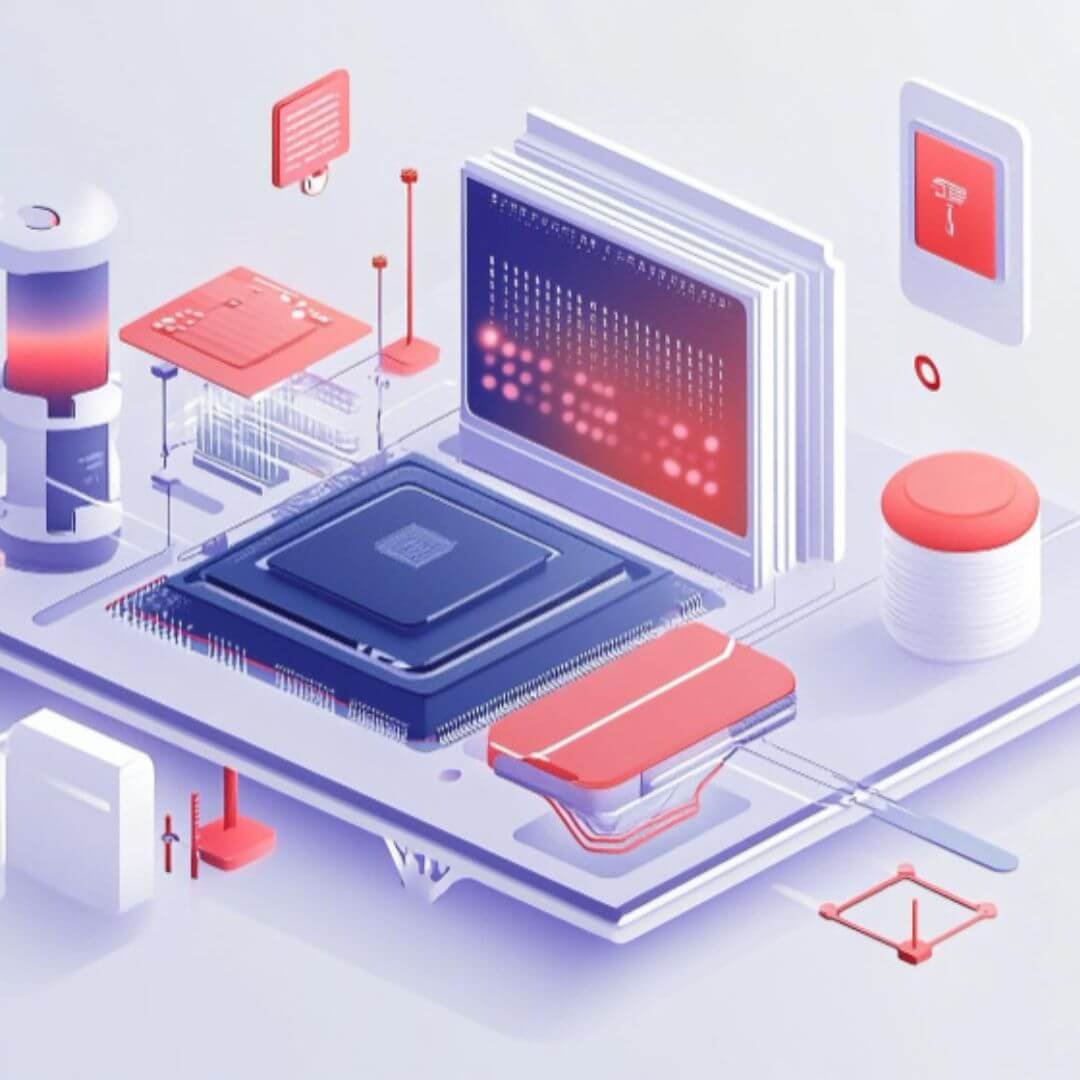
The semiconductor industry has always been at the forefront of technological advancement. As one of the most crucial sectors, it powers everything from everyday gadgets to high-tech systems, including computers, smartphones, and cars. However, as semiconductor products grow increasingly complex, marketing them effectively becomes a challenge. In this competitive landscape, 3D animation is proving to be one of the most effective tools to showcase semiconductor product videos.
In this blog, we will dive deep into how 3D animation plays a critical role in semiconductor marketing and product demonstration. We’ll explore the various ways 3D animation enhances product videos, providing a seamless blend of technical sophistication and viewer engagement. Whether you are a semiconductor manufacturer or a marketing professional in the industry, understanding how to use 3D animation effectively can give you a significant edge.
1. The Need for Visual Storytelling in Semiconductor Marketing
The Complexity of Semiconductor Products
Semiconductors are high-precision, complex, and incredibly detailed devices. From microprocessors to memory chips, these products are built from components so small that they are invisible to the naked eye. To fully understand how semiconductors work, customers need to visualize how these components interact within a system. However, explaining the mechanics behind semiconductor products through static images or text can be incredibly challenging.
This is where 3D animation comes into play.
How 3D Animation Transforms Complex Concepts
With 3D animation, the complexities of semiconductor products can be broken down into bite-sized, easy-to-understand visual representations. Rather than explaining the functions of an integrated circuit with paragraphs of text, 3D animation can show how the electrical signals flow, how components within the chip interact, and how these parts work together to optimize performance.
Visual storytelling through 3D animation makes complex processes intuitive and engaging, which is a powerful tool in semiconductor marketing. This allows the audience to grasp technical features they would otherwise struggle to understand, thereby reducing confusion and enhancing customer confidence.
The Importance of Visual Appeal in Semiconductor Product Videos
Product videos in the semiconductor industry are not only about demonstrating functionality—they’re also about creating an emotional connection with potential customers. While technical details are crucial, the overall experience is equally important. 3D animation enhances the aesthetic appeal of product videos, making them visually captivating. By combining technical precision with creativity, 3D animations deliver a more polished and sophisticated final product.
These high-quality animations can be used to create sleek, futuristic imagery that aligns with the innovative nature of semiconductor technology. The more visually appealing a product video is, the more likely viewers are to engage with it, share it, and even remember the product.
2. Benefits of Using 3D Animation in Semiconductor Product Videos
2.1 Better Visualization of Technical Features
One of the biggest challenges for semiconductor manufacturers is the sheer complexity of their products. 3D animation offers the ability to provide a comprehensive visualization of these complex devices. It allows manufacturers to showcase their product’s intricate features without overwhelming the viewer.
For example, consider a semiconductor chip used in a smartphone. Through 3D animation, it’s possible to highlight each microcomponent—such as transistors, capacitors, and resistors—showing how they work together to enable the smartphone to process data. 3D animations also allow you to zoom into these components, offering an inside look at how the chip functions at a microscopic level.
This type of visualization helps the audience understand not only how the product works but also why it’s superior to alternatives on the market.
2.2 Increased Engagement with Dynamic Content
Engagement is key to keeping viewers interested, especially when you’re marketing a technical product like a semiconductor. Static images and traditional product descriptions simply don’t grab attention in the same way 3D animation can.
3D animation offers dynamic visuals that can illustrate a product’s benefits in motion. For instance, you can use animation to demonstrate how data is transmitted through a semiconductor or show how a microchip performs under different conditions. By utilizing motion and transitions, product videos can captivate the audience and hold their attention, ensuring they stay engaged from start to finish.
This is especially important in today’s digital age, where the average attention span is decreasing, and competition for eyeballs is fierce. 3D animation helps keep your product video engaging and entertaining.
2.3 Improved Customer Understanding Through Simplification
Semiconductors, by nature, are highly specialized products. Explaining how these products work in layman’s terms can be a daunting task. However, with 3D animation, complex ideas become easier to communicate. Instead of requiring the viewer to read long descriptions, 3D animations can show exactly how a semiconductor chip operates, how it processes signals, or how it integrates into a larger system.
This simplification is crucial in helping potential customers better understand the product. A product video that relies on 3D animation can break down difficult-to-understand concepts and present them in a way that’s accessible to a wider audience.
2.4 Increased Brand Recognition and Differentiation
With the global competition in the semiconductor industry, distinguishing your brand from competitors is essential. By integrating 3D animation into your product videos, you not only showcase the advanced technology behind your products but also signal to your audience that your brand is forward-thinking and innovative.
This sets your company apart from those that rely on traditional 2D graphics or static imagery in their product demonstrations. 3D animation lends an air of sophistication and modernity to your brand, enhancing its appeal in the eyes of tech-savvy customers.
3. How 3D Animation Contributes to the Sales Funnel
3.1 Building Trust and Credibility
Trust is a critical factor in converting leads into customers, particularly in industries like semiconductors where the products are highly technical and expensive. 3D animation helps build trust by clearly explaining how a product works, its unique benefits, and its overall value.
When potential customers see detailed, realistic animations of how your semiconductor product works, they are more likely to trust that your company knows what it’s doing. Clear, easy-to-understand animations also convey professionalism, adding credibility to your brand and products.
3.2 Reducing Purchase Uncertainty
A common barrier in high-tech product purchasing is uncertainty. Semiconductor products can be a significant investment, and customers need to feel confident in their decision. 3D animation can help alleviate this uncertainty by demonstrating the value of the product in real-world applications.
For example, showing a 3D animation of a semiconductor chip operating inside a smartphone could help a potential customer envision how it enhances their device’s performance. The visual representation of functionality can make the purchase decision feel more tangible, reducing doubt and improving conversion rates.
3.3 Driving Action with a Strong Call to Action
A successful product video doesn’t just showcase the features and benefits of a product—it also encourages action. 3D animation helps make this process more seamless by drawing attention to the most important elements of the product, which can then be highlighted in the call to action.
The end of the video is where you should clearly state the next steps: whether it’s requesting a demo, making a purchase, or contacting sales. When 3D animation has been used effectively to convey the product’s value, potential customers will be more likely to take action.
4. Best Practices for Creating Effective Semiconductor Product Videos Using 3D Animation
4.1 Plan the Story Arc
Before jumping into animation, it’s essential to define the narrative of your product video. The story should focus on the problem your product solves, its unique features, and how it improves the customer’s experience. 3D animation should be used as a tool to help tell this story—highlighting key moments, demonstrating functionality, and making technical information more digestible.
4.2 Focus on Quality and Detail
To truly make an impact, the 3D animation must be of the highest quality. Invest in high-resolution models, accurate textures, and realistic renderings. The more detailed and precise the animation, the more it will convey the high-tech nature of your semiconductor products. Sloppy animations can detract from your product’s perceived quality, which can negatively affect brand image.
4.3 Keep the Video Short and Engaging
While it might be tempting to showcase every aspect of your product, the best product videos are concise. Aim for a length of 1-2 minutes, making sure the content is rich but to the point. Viewers have limited time, so it’s crucial to highlight only the most essential features.
Short, snappy videos that focus on the core message of your semiconductor product are more likely to keep the audience engaged and prompt action.
4.4 Add Interactivity
To take your product video to the next level, consider adding interactive elements. Some 3D animations can be made interactive, allowing viewers to explore the product in more depth, adjust settings, or zoom in on specific features. Interactive elements can make the video feel more personalized and engaging, leading to better user experience and increased conversions.
4.5 Optimize for SEO
Ensure that your product video is optimized for SEO to increase its visibility. Include relevant keywords such as 3D animation, semiconductor, and product videos in the title, description, and tags. This will help your video rank better in search engines, increasing the chances of it being seen by your target audience.